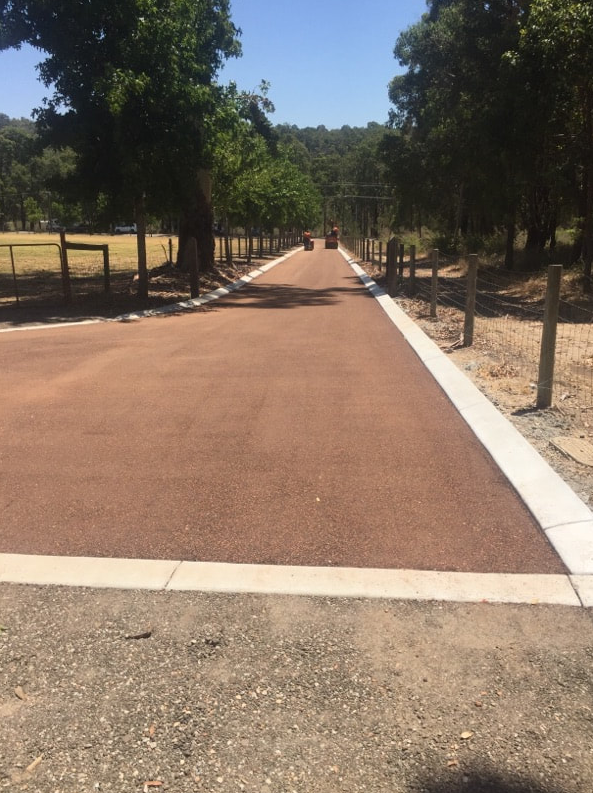
When a large outdoor area needs a durable sealed surface, choosing the right construction method is important. Long access roads, extensive driveways, vehicle areas and hardstands need to cope with regular traffic while remaining practical to maintain over time. The larger the area, the more important consistent preparation, drainage and surface performance become.
Spray & Seal bitumen is widely used for larger surfacing projects because it creates a durable, textured wearing surface that can be adapted to different site and traffic requirements. For property owners and businesses in Ballarat, VIC, it can be a practical option where a substantial area needs to be sealed, renewed or protected.
What Is Spray & Seal Bitumen?
Spray & Seal is a surfacing method involving the controlled application of a bituminous binder over a properly prepared pavement. Selected aggregate is then spread over the binder and rolled into place.
Depending on the requirements of the project, different treatments can be used to achieve the appropriate surface.
The process creates a sealed wearing course that provides vehicle traction and helps protect the pavement underneath. However, the finished seal is only one part of the overall pavement system. The condition of the base, grading, drainage and preparation remain essential to long-term performance.
Why Does Spray & Seal Work Well Across Large Areas?
One of the main strengths of Spray & Seal is its suitability for covering extensive pavement areas.
When the underlying surface has been correctly prepared, the treatment can be applied consistently across long roads and broad vehicle areas. This makes it particularly useful for properties where maintaining a loose or deteriorating surface across a large area has become increasingly difficult.
Rather than simply improving appearance, Spray & Seal creates a functional wearing surface designed to cope with regular vehicle movements.
It Helps Create More Consistent Vehicle Access
Large unsealed areas can gradually develop irregularities as traffic moves material around. Wheel tracks, corrugations, loose aggregate and worn sections can make the surface increasingly inconsistent.
A properly constructed Spray & Seal surface binds the wearing course and provides a more defined driving area.
This can make vehicle movements smoother and more predictable, particularly across larger properties where access roads or operational areas experience repeated use.
For suitable sites in Ballarat, upgrading an unsealed or ageing pavement can therefore make the entire area easier to use.
Reduced Dust and Loose Material
Dust can become a significant concern on large unsealed vehicle areas. Every passing vehicle can disturb fine material, while aggregate may gradually move away from frequently travelled sections.
Spray & Seal substantially reduces the amount of loose surface material compared with an unsealed pavement.
This can help create a cleaner, more manageable environment around driveways, access roads and vehicle areas. It also means the surface is less dependent on loose aggregate remaining evenly distributed under regular traffic.
Protection Against Water Penetration
Water is one of the major factors affecting pavement deterioration.
Once moisture reaches the supporting layers beneath a road or hardstand, those materials can lose strength. Repeated vehicle loads over weakened areas may then contribute to cracking, deformation and potholes.
The bituminous binder used in Spray & Seal creates a water-resistant layer that helps limit moisture entering the pavement from above.
On large surfaces, where there may be considerable pavement exposed to rainfall, this protective function can be particularly valuable.
Drainage Still Needs to Be Correct
A sealed surface does not eliminate the need for good drainage.
Large pavement areas can collect significant quantities of water, so correct grading and surface falls are essential. Water needs to be directed away efficiently rather than allowed to remain in low points or continually affect pavement edges.
Professional preparation should therefore consider drainage before the Spray & Seal treatment is applied.
Spray & Seal Can Suit Different Traffic Requirements
Not every large surface experiences the same type of use.
Some areas primarily carry passenger vehicles, while others may accommodate commercial vehicles, machinery or more frequent traffic. Turning, braking and acceleration can also place additional stresses on particular sections.
This means the pavement and Spray & Seal treatment should be selected according to actual site requirements.
Experienced contractors consider factors such as:
- Existing pavement condition
- Vehicle types and expected loads
- Frequency of traffic
- Turning and braking areas
- Drainage requirements
- Ground and base stability
- Intended long-term use
Assessing these factors helps ensure the completed surface is appropriate for its operating conditions.
It Can Be Used to Renew Suitable Existing Pavements
Spray & Seal is not limited to completely new road construction. It can also be useful when an existing pavement remains structurally serviceable but its wearing surface is deteriorating.
Surface ageing, minor cracking or loss of the existing seal may indicate that renewed protection is required.
Where the pavement underneath remains stable, appropriate preparation followed by Spray & Seal can restore the wearing surface and help protect the existing structure.
This makes it a useful option for large areas where much of the pavement remains serviceable.
Existing Damage Must Be Addressed First
Spray & Seal should not be treated as a way to hide significant pavement problems.
If an existing area contains potholes, unstable sections, major depressions or widespread structural cracking, these defects need to be investigated before resurfacing.
Potholes may require damaged material to be removed and the affected pavement rebuilt. Soft or unstable sections may need additional preparation, while drainage problems should be corrected where necessary.
Covering unresolved deterioration can allow the same weaknesses to affect the renewed surface.
Preparation Becomes Even More Important on Large Projects
The performance of Spray & Seal depends heavily on what lies beneath it.
On a large surfacing project, inconsistencies in grading, compaction or base stability can eventually create problems across substantial sections of pavement.
Professional preparation may involve reshaping the existing surface, correcting levels, repairing failed areas and compacting pavement materials before sealing begins.
Taking time to establish a consistent foundation helps the completed treatment perform as intended.
A Textured Surface for Vehicle Areas
The aggregate incorporated into Spray & Seal produces a textured wearing surface. When the treatment is properly designed and installed, this provides useful tyre grip for vehicle movements.
This characteristic is particularly relevant across access roads and other substantial traffic areas.
Aggregate selection and application are important, however. The materials and treatment need to suit the pavement rather than applying the same specification to every project.
Maintenance Can Help Preserve Large Sealed Areas
Large surfaces should be periodically inspected even when they continue to perform well.
Checking the pavement provides an opportunity to identify localised cracking, edge deterioration, drainage problems or isolated surface damage before those issues spread.
Prompt attention to smaller defects can be particularly beneficial on extensive pavements because local deterioration can gradually affect surrounding sections if water and traffic continue acting on the damaged area.
Keeping drainage paths clear is equally important for protecting the supporting pavement.
Why Professional Spray & Seal Application Matters
A successful Spray & Seal project involves considerably more than spraying binder and spreading aggregate.
Contractors need to evaluate the existing pavement, prepare the surface correctly, establish suitable drainage and apply the binder and aggregate consistently. Large areas also require careful coordination so that the treatment remains uniform throughout the project.
Professional workmanship ensures attention is given to the complete pavement rather than focusing only on the final visible layer.
For property owners in Ballarat, this provides greater confidence that the chosen treatment has been matched to the condition and intended use of the site.
Conclusion
Spray & Seal is popular for large surfacing areas because it provides a practical, durable and adaptable wearing surface for appropriately prepared pavements. It can improve vehicle access, reduce dust and loose material, provide useful surface texture and help protect the underlying pavement against water penetration.
Its effectiveness ultimately depends on good preparation. Stable foundations, correct grading, effective drainage and suitable treatment selection all contribute to long-term performance.
For large surfacing projects in Ballarat, VIC, Ballarat Road Tech can assess the existing pavement and determine whether Spray & Seal is appropriate for the site. If you are considering sealing or renewing a large driveway, access road, hardstand or vehicle area, contact our team to discuss a surfacing approach suited to how the area needs to perform.
Call us on: 03 4159 2883
Click here to find out more about Ballarat Road Tech
Click here to complete our contact form and see how we can help with your road needs.