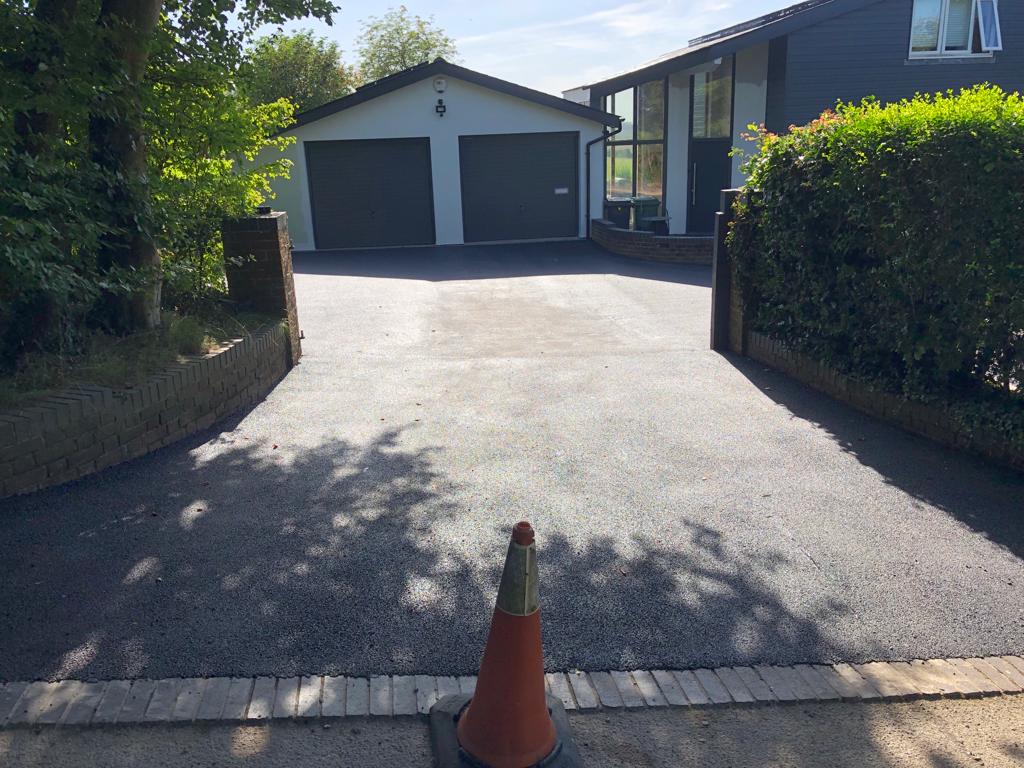
Spray and seal bitumen is a practical surfacing method used to create durable, weather-resistant surfaces for driveways, access roads and other suitable areas. It involves applying a bituminous binder to a prepared surface before covering it with stone aggregate. When completed correctly, this process helps protect the underlying pavement while providing a textured finish suitable for regular vehicle use.
For property owners in Ballarat, VIC, spray and seal bitumen can be worth considering when planning a new driveway surface or maintaining an existing road or access area. Understanding how the process works helps you know what to expect before, during and after the surfacing project.
What Is Spray and Seal Bitumen?
Spray and seal is a bituminous surfacing technique that combines a sprayed binder with a layer of stone aggregate. The binder helps the aggregate adhere to the prepared surface, forming a protective layer that can reduce water penetration and improve surface durability.
Depending on the project requirements, the treatment may involve a single seal or multiple layers of binder and aggregate. A double seal, for example, uses additional layers to create a more substantial surface treatment.
The appropriate system depends on the condition of the existing pavement, expected traffic, drainage and the intended use of the area. A site assessment helps establish whether spray and seal is suitable for the surface.
How Does the Spray and Seal Process Work?
1. Inspecting and Preparing the Surface
Preparation is an essential part of a successful spray and seal project. The existing surface needs to be assessed for cracks, potholes, loose material, uneven sections and drainage issues.
Where necessary, damaged areas are repaired before the new treatment is applied. Loose dirt, dust and debris are also removed to help the bituminous binder adhere properly.
Applying a seal over a poorly prepared surface can lead to premature deterioration, so existing problems should be addressed before work begins.
2. Applying the Bitumen Binder
Once the surface is ready, a specialised spraying unit distributes the bituminous binder across the treatment area. The application needs to be controlled carefully to achieve suitable coverage.
Too little binder may prevent the aggregate from bonding effectively, while excessive application can contribute to surface movement or binder bleeding, particularly in warm conditions.
The application rate is selected according to the pavement condition, aggregate characteristics and project requirements.
3. Spreading the Stone Aggregate
Clean, appropriately graded aggregate is spread over the freshly applied binder. The stones provide the surface texture and help protect the underlying bituminous layer.
The aggregate must be distributed evenly so that the finished surface has consistent coverage. Poor distribution can leave weak areas or uneven patches that affect the appearance and performance of the seal.
4. Rolling and Embedding the Aggregate
A suitable roller is used to help embed the aggregate into the binder. This step improves contact between the stones and the bituminous layer, helping create a more stable finish.
Rolling must be carried out at the appropriate stage and with suitable equipment. The process helps reduce loose stone and supports the development of a consistent surface.
5. Allowing the Surface to Set
After application, the surface needs time for the binder and aggregate to stabilise. The time before the area can be used depends on the binder system, weather conditions and site requirements.
The contractor should provide clear instructions about vehicle access, temporary restrictions and any early maintenance needs. Following this guidance helps reduce the risk of disturbing the newly treated surface.
What Should You Expect After Spray and Seal?
A spray and seal surface has a textured appearance because the aggregate remains visible at the top. Some loose stones may be present initially, which is why appropriate rolling and early maintenance are important.
The surface can gradually settle as traffic helps further embed the aggregate, provided vehicle access is managed correctly during the initial period.
Spray and seal can help protect a suitable pavement from moisture and general wear, but it does not correct every underlying problem. Structural damage, inadequate drainage or a failing base may require repairs or more extensive work before sealing is considered.
Regular checks can help identify developing issues such as localised stone loss, cracking or water pooling. Addressing these concerns early can help maintain the condition of the surface.
Is Spray and Seal Suitable for Your Driveway?
Spray and seal bitumen may be suitable for driveways and access areas where the existing base is stable and properly prepared. Its suitability depends on factors such as vehicle use, surface condition, drainage and the finish required.
For properties in Ballarat, VIC, the local climate and seasonal temperature changes should also be considered when planning the work. A suitable binder, aggregate and application method can help the surface perform under its expected conditions.
Ballarat Road Tech can assess your surfacing requirements and explain whether spray and seal is an appropriate option for your driveway or access area.
Conclusion
Spray and seal bitumen involves preparing the existing surface, applying a bituminous binder, spreading stone aggregate, rolling the stones into place and allowing the treatment to stabilise. Each stage contributes to the quality and durability of the finished surface.
Understanding the process helps property owners make informed decisions and prepare for temporary access restrictions and early maintenance. Proper preparation, suitable materials and careful application are essential for achieving a reliable result.
If you are considering spray and seal bitumen for your property, contact Ballarat Road Tech to discuss your requirements and arrange an assessment in Ballarat, VIC.
Call us on: 03 4159 2883
Click here to find out more about Ballarat Road Tech
Click here to complete our contact form and see how we can help with your road needs.